
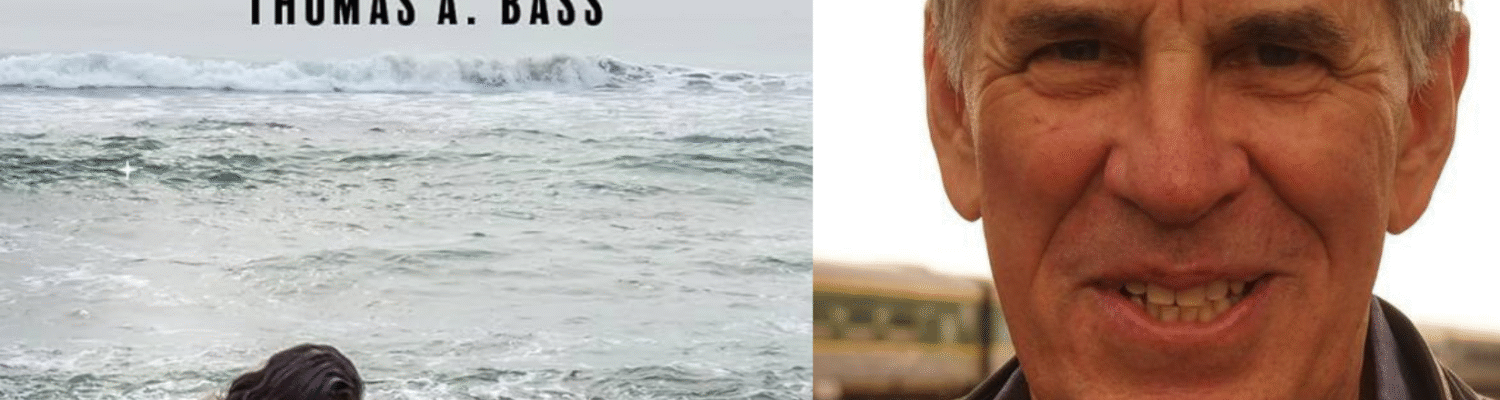
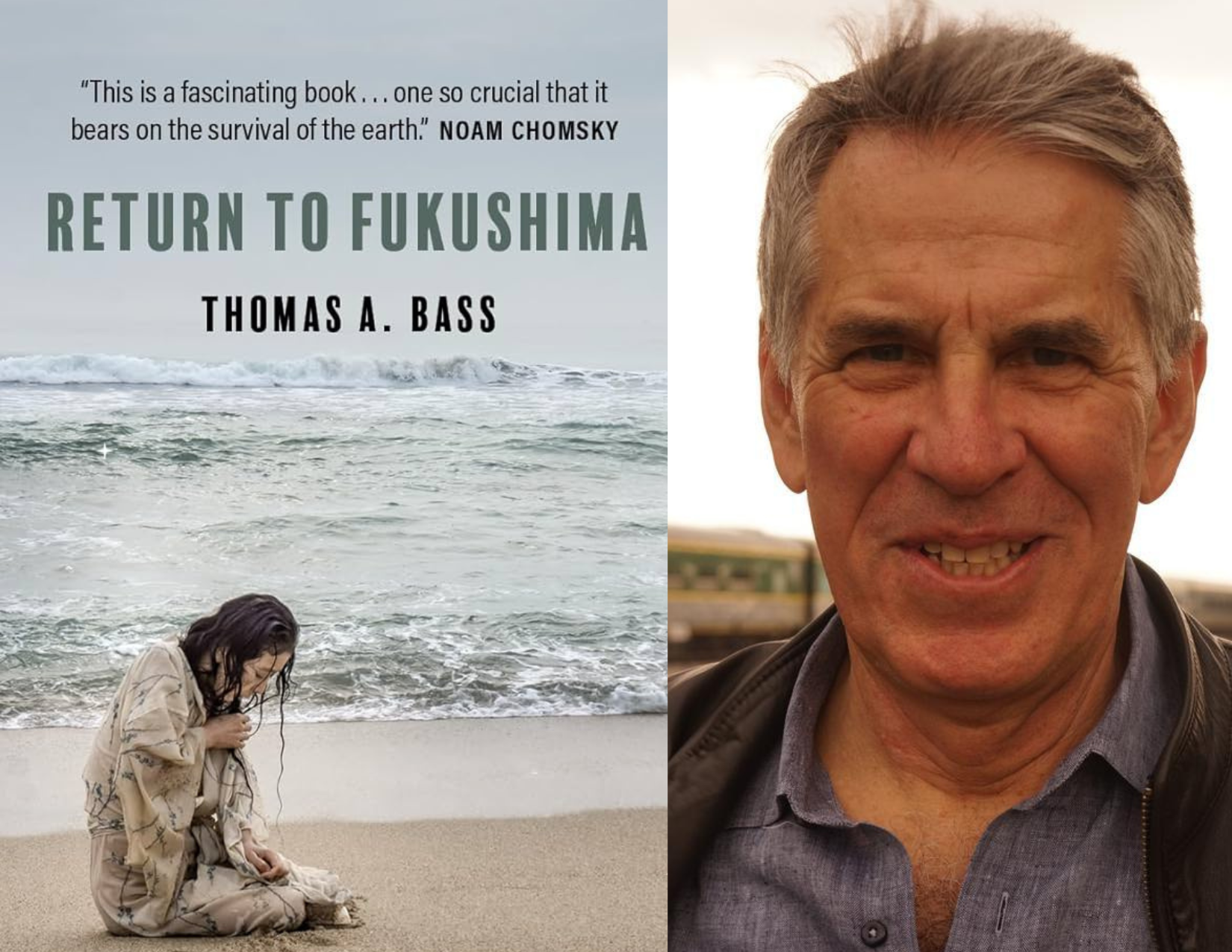
Meet journalist Thomas Bass, author of ‘Return to Fukushima’
March 13, 2026
6:30 pm - 8:30 pm
118 Elliot
118 Elliot St Brattleboro VT 05301
“Return to Fukushima” is a poignant blend of investigative journalism, environmental critique, and personal reflection that examines the broader implications of the ongoing 2011 Fukushima nuclear disaster. Bass brings poetic prose, incisive analysis, and a deeply ethical lens to a subject often buried under technical jargon and political spin. This book is not just a recounting of catastrophe, but a stark reminder that, even in the face of individual and community resilience, science and policy fall short for those haunted by the permanence of radioactive contamination.
“This is a fascinating book… one so crucial that it bears on the survival of the earth.”
Noam Chomsky
Thomas Bass writes for The New Yorker, Wired, Smithsonian, American Scholar, The Bulletin of the American Scientists, and other publications. He is the author of eight nonfiction books on subjects ranging from beating roulette with toe-operated computers (The Eudaemonic Pie) to using chaos theory to predict the world’s financial markets (The Predictors). His other books include The Spy Who Loved Us, Vietnamerica, Camping with the Prince and Other Tales of Science in Africa, Reinventing the Future, Censorship in Vietnam: Brave New World, and Return to Fukushima. Cited by the Overseas Press Club for his foreign reporting, he is a professor of English and journalism at the State University of New York in Albany.
Lissa Weinmann, who studies nuclear waste and the US’ ‘nuclear enterprise’ and serves on the Vermont state’, Vermont Yankee Nuclear Decommisioning Citizens Advisory Panel (NDCAP), will moderate and relate Fukushima to today’s accelerated nuclear push.
The event is free and open to the public with a suggested donation of $10.
A note from the author:
Fukushima at Fifteen